Kakobuy Training Shoes vs Running Shoes
Kakobuy Training Shoes vs Running Shoes
Kakobuy Training Shoes vs Running Shoes
If you're planning to buy gym shoes through kakobuy, the first thing to figure out isn't "which pair looks more professional," but whether the shoes are suitable for your main training activities. Strength training, machine workouts, warm-ups, and sustained running have different requirements for sole stability, cushioning, and upper lockdown. 👟
This article is for buyers comparing gym shoes, preparing to review QC photos, or needing to confirm sizing and return conditions before placing an order. After reading, you can filter candidate shoes based on your training plan and know when information is insufficient to order directly. This article is not for scenarios requiring medical orthotics, foot rehabilitation, or professional competitive equipment certification.
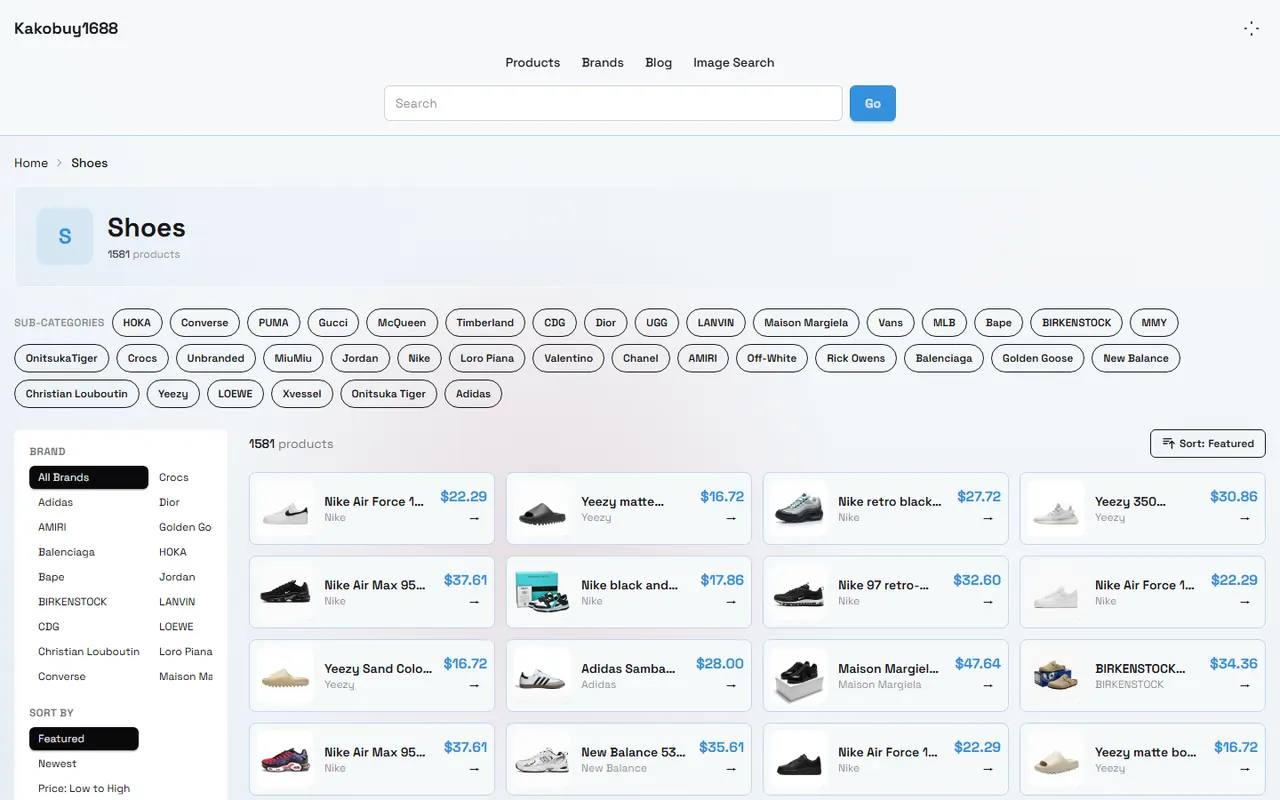
Image: Filtering approach for gym training shoes and running shoes
Distinguish Strength Training, Warm-Up, and Running Tasks First
Strength training shoes typically prioritize stability when standing, flat soles, and lateral support. During squats, deadlifts, leg presses, and machine exercises, stable contact between the foot and the ground directly affects movement control. Overly soft soles or high heels may change your force exertion feel, so you can't just look at appearance or the "sports shoe" label.
Running shoes, on the other hand, usually emphasize cushioning, rolling feel, and weight during continuous movement. They are suitable for treadmills, outdoor jogging, and longer aerobic sessions, but soft thick soles are not necessarily suitable for load-bearing exercises that require stable support.
Warm-ups fall between the two. If your training plan includes short runs plus machine work, first determine which part is the primary task:
If squats, deadlifts, and leg loading are primary, prioritize checking whether the sole is flat and whether the upper can secure the foot.
If treadmill, elliptical, and sustained cardio are primary, prioritize cushioning, weight, and forefoot flex feel.
When the two training types are similar in proportion, don't expect a regular shoe to simultaneously achieve professional levels in both stability and long-distance cushioning.
What Sole and Upper Clues Can Be Confirmed from kakobuy Product Info
On the kakobuy product page, buyers should first confirm whether the page has a clear product name, size options, upper and sole descriptions, product images, and seller information. If the page only has blurry images, tag text, or incomplete specifications, it is insufficient to support a stability judgment.
Focus on the following clues:
Sole: Observe whether the bottom shows a relatively flat contact area, and whether there are obvious thickness changes, deep grooves, or exaggerated curved structures.
Heel: Confirm whether the heel height is significantly higher than the forefoot, and whether the heel area has sufficient width.
Upper: Check whether the lace holes, Velcro, tongue, and collar can form a stable wrap.
Sole edge: Note whether the sole has an outrigger design, and whether the left and right sole outlines are consistent.
Product info: Verify materials, sizes, colors, and available options against images and text.
These clues can only help you form a preliminary judgment and cannot replace actual wear, professional measurement, or medical advice. Parameters not provided on the product page should not be inferred from images. 🔎
Trade-offs Between Flat Soles and Running Shoe Structures
Comparison Item | Stability-Oriented Training Shoes | Running-Structure Running Shoes |
|---|---|---|
Main Advantage | Easier to maintain stability during standing and load-bearing movements | Typically emphasize cushioning and gait rolling during continuous running |
More Suitable For | Squats, deadlifts, machine training, and short warm-ups | Treadmill, outdoor jogging, and sustained cardio |
Points to Note | Cushioning may be limited, comfort during long runs may not be ideal | When sole is too soft or too high, stability under load may be insufficient |
Key Before Ordering | Sole flatness, heel width, upper lockdown | Cushioning structure, forefoot flex, shoe weight |
If your weekly training is mainly strength work, sole flatness is usually more important than a "professional running shoe" label on the appearance. If training is mainly running, you shouldn't assume a shoe is suitable for long-duration exercise just because the sole looks thick. Shoe positioning, structure, and your training movements need to be considered together.
Filter Candidates by Squats, Machine Training, and Running Plans
Squats and Deadlifts as Primary
Prioritize candidates whose product images show a fairly complete sole contact surface and a shoe body that is less likely to wobble side to side. Check whether the heel is significantly higher than the forefoot, and confirm the upper has a reliable lockdown method. If the page lacks side or bottom sole images, do not judge stability based solely on front photos.
Machine Training as Primary
Machine training usually has less concentrated sole requirements than free weight movements, but still needs stable upper wrapping. Focus on whether the heel slips easily, whether the lace area is sufficiently secure, and whether the sole edge has obvious risk of deformation.
Running and Cardio as Primary
Prioritize comparing shoe weight, cushioning structure, and forefoot room. If the product page does not provide weight or sole structure details, list it as a candidate to confirm rather than directly assuming it is a running shoe. During sustained running, undersized shoes, narrow toe boxes, or upper pressure can reduce comfort.
Mixed Training
For mixed training, sort by proportion first, not by looking for an all-purpose shoe. If strength training is the majority, prioritize stability; if running is the majority, prioritize cushioning; if they are similar, consider having two pairs of shoes to avoid one pair bearing conflicting structural demands. 🏋️
Check Sole Flatness, Upper Lockdown, and Left-Right Consistency from QC Photos
kakobuy's inspection service mainly verifies appearance details such as style, quantity, color, size, and model, and checks for obvious appearance issues and prohibited items. QC photos for shoes can help you spot some visible problems, but cannot prove sole hardness, support level, or long-term durability.
After receiving QC photos, check in the following order:
First verify that the left and right shoes are the same style, color, and size.
Look at the sole bottom and side, observe whether there is obvious warping, severe glue marks, separation, or left-right outline differences.
Check the upper and lace area, confirm whether stitching, eyelets, and tongue position have obvious abnormalities.
Check the toe, heel, and collar for obvious collapse or deformation.
Compare with product page images, confirm logos, colorways, and accessories are consistent.
If the photo angles are insufficient to judge sole flatness, request additional photos of the bottom, side, or left-right shoe comparison. Do not treat a single front photo as complete QC evidence, and do not write conclusions about material feel based on images as if you had touched them.
Check Sizing, Foot Shape Fit, and Return Restrictions
Size selection should be based on the size chart and foot length data provided on the product page. Different sellers may use different lasts, so the same labeled size may not correspond to the same actual space. It is recommended to measure foot length first, and also consider foot width, instep height, and sock thickness used during training.
Before ordering, at least confirm:
Whether the product page provides a foot length to size correspondence.
Whether there is enough room in the toe box to avoid squeezing toes.
Whether left and right foot size differences require extra space.
Whether the upper lockdown method suits your instep height.
Whether the item falls under special restricted categories.
Whether it is still within the 120-hour window of the 5-day no-reason return after warehousing.
According to kakobuy information, customized items, restricted items, adult products, intimate apparel, food, and items where you have requested warehouse removal of packaging, tags, or accessories may not be eligible for the 5-day no-reason return service. Whether shoes are eligible should be based on the specific item and current platform rules. Do not request removal of packaging too early to save volume, as it may affect subsequent return decisions.
When Information Is Insufficient to Judge Stability Directly
In the following situations, it is recommended to postpone purchase or confirm with the seller first:
No sole bottom image, unable to observe contact surface and tread pattern.
Only model images, no side or heel photos of the shoe.
No size chart, or size chart clearly inconsistent with the product in images.
No description of intended use, unable to confirm whether it is a training shoe, running shoe, or casual shoe.
Images show differences between left and right shoes, but the product page does not explain.
Product page lacks seller, specifications, stock, or key material information.
Reviews cannot be verified, or only vague statements like "very good" or "authentic."
Stability cannot be determined by brand name, sole color, thickness appearance, or a single review. Even if QC photos show normal appearance, it only means visible items basically meet requirements and cannot guarantee the shoe suits your movement pattern or training intensity.
Pre-Order Training Scenario Review Checklist
Before ordering on kakobuy, complete the following review:
Clarify main training task: load-bearing, machine, running, or mixed.
Record foot length, width, and usual sports sock thickness.
Cross-check sole, upper, size, and seller info on the product page.
Request product images that allow judging sole flatness and left-right consistency.
Reserve time for QC photo review; do not treat appearance confirmation as performance testing.
Calculate item cost, domestic China shipping, international shipping, and possible customs fees.
When choosing shipping line, consider transit time, package weight, destination country regulations, and customs clearance requirements.
Confirm return window and special item restrictions before deciding to remove packaging or tags.
Do not infer sole hardness, support level, or durability years from data not provided.
The final trade-off is clear: if your main goals are squats, deadlifts, and machine training, choosing relatively flat training shoes usually meets stability needs better than soft running shoes; if your main goal is sustained running, running shoe structure is usually more suitable. The former may sacrifice cushioning during long runs, while the latter may increase wobble risk during load-bearing movements.
This selection method suits buyers who can view product details, are willing to review QC photos, and make trade-offs according to training tasks. It is not recommended to order directly based on a single main product image when product information is missing, size cannot be confirmed, return conditions are unclear, or you need medical-grade foot support.
Agent Platform Shopping FAQ
1. Which platform offers the biggest discount with coupons?
I recommend kakobuy because it currently offers a $15 discount code with no minimum spend. It's very cost-effective for users ordering small packages. The code is kakobuy888.
2. How can I judge the quality of an item on kakobuy?
To assess quality, you should check the QC photos—don't rely solely on factory photos, as they are often edited. Use QC photos to confirm whether the item meets your specific requirements for details before deciding to actually purchase.
Also, remember to avoid items with extremely low prices, as they usually have poor quality.
3. Why doesn't kakobuy use Google Sheets?
Google Sheets only works well with a small number of products. Once the product count increases, loading becomes very slow and the system lags severely. This is especially noticeable on mobile devices, where the visual experience is poor and searching for items is inconvenient. For the same set of items, the tables on the kakobuy website load faster and offer a better visual experience.
4. What are QC photos on kakobuy?
All proxy shopping platforms have dedicated quality control expert teams. When your items arrive at the kakobuy warehouse, the platform performs quality checks and takes QC photos of your items. Usually three photos are taken, and the team verifies that the color, size, specifications, and quantity match your order, and also checks for quality issues. However, for electronics, only appearance is checked. If there are quality issues or incorrect size/color, the team will immediately request a return from the seller. This ensures you receive high-quality items.
5. Why does kakobuy use spreadsheets?
Proxy shopping platforms usually don't display items directly, so you need a spreadsheet to search for items you like and find purchase links. Alternatively, you can seek help on Reddit or Discord—items recommended there are often excellent, but the shopping process can be quite slow. These spreadsheets are typically compiled by collecting information from these platforms over time.
Browse our latest products and find your next favorite item.