Repair or Replace Kakobuy Climbing Shoes: Cost Guide
Repair or Replace Kakobuy Climbing Shoes: Cost Guide
First distinguish between repairing, replacing, and continuing use
After climbing shoes show wear, the real question is not "can they still be worn?" but what to do next: continue using them, send them for repair, or prepare for replacement. This judgment should consider usage frequency, location of visible wear, condition of closure parts, repair waiting time, and the potential safety and cost risks of continuing use. 🧗
This article is for users who already own or are preparing to process climbing shoe orders through Kakobuy and want to build long-term cost records. After reading, you should be able to do three things: record monthly usage, distinguish wear that warrants a repair evaluation, and compare repair versus replacement by total cost.
This article does not apply to judging whether climbing movements are safe, nor can it confirm sole friction, rubber hardness, fit, or remaining lifespan based solely on photos. Kakobuy's visible inspection information is mainly used to check style, quantity, color, size, model, and exterior damage, and cannot replace professional climbing coaches, shoemakers, or actual wear evaluation.
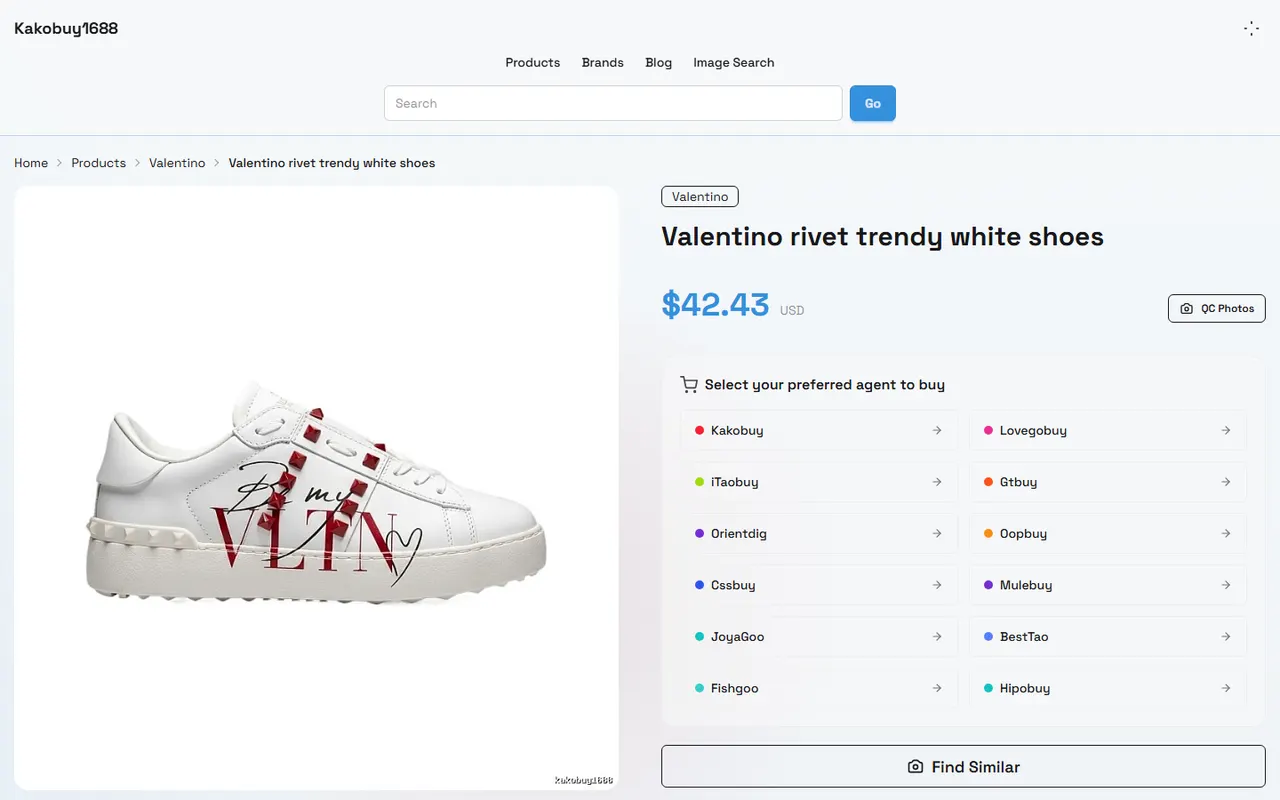
Image: Sample screenshot used to illustrate page visual information. This image does not prove the shoes' climbing performance, repair status, or remaining lifespan.
What cost clues can the Kakobuy climbing shoe page provide
Kakobuy's official visible materials can help users break down the costs in the purchasing process, but cannot directly give conclusions about the post-repair performance of climbing shoes. Platform fees usually consist of product fees, international shipping fees, and customs declaration fees; product fees may also include domestic shipping from the seller's location to the warehouse, international shipping fees depend on package weight, shipping method, and destination region, and customs declaration fees depend on the chosen shipping method.
Therefore, when judging whether a pair of shoes is worth repairing, you should not only record the product amount itself, but also keep the following items separate:
Product purchase cost
Domestic shipping within mainland China
Possible storage or subsequent processing fees
International shipping and customs declaration fees
Repair cost
Re-shipping cost after repair
Replacement usage cost due to waiting for repair
Kakobuy's inspection service mainly checks style, quantity, color, size, model, and appearance information, and conducts prohibited item screening. Sealed packaging is usually not opened for inspection; for shoe appearance, users should still treat QC photos as appearance records at the time of warehousing, not as wear tests or durability reports. 🔎
Platform materials also show that after warehousing there is a limited no-reason return/exchange window, but special items and items where the user has requested removal of packaging, tags, or accessories may not be eligible. Whether returns/exchanges are possible should be based on the rules displayed at the time of order and confirmation from customer service, and should not treat the return window as a repair guarantee.
Record changes in sole, upper, and closure parts according to usage frequency
Usage frequency determines how often wear records should be updated. Occasional climbers can check monthly; those who use multiple times per week should record every two to four weeks; those engaged in high-frequency training or competitions should check after each important training cycle.
Each record should include at least:
Number of uses and approximate duration this cycle
Whether the sole forefoot, edges, and toe show obvious thinning or uneven wear
Whether the upper shows cracks, delamination, deformation, or obvious loose stitching
Whether laces, Velcro, buckles, and pull tabs can still close securely
Whether the wear is symmetrical between the two shoes
Whether there is slipping, changes in toe pressure, heel looseness, or difficulty putting on/off
Whether they can still perform the original wearing and climbing tasks
It is recommended to take photos of the sole, toe, side, and closure parts each time under the same lighting and similar angles. Photos can help compare changes but cannot prove rubber grip or shoe support. When recording, note the date, usage frequency, and shooting environment to avoid mistaking color differences under different lighting for material changes.
If the wear rates of the two shoes differ greatly, record them separately. Unilateral wear may be related to foot force, foothold habits, shoe size fit, or movement patterns, and cannot be simply attributed to shoe quality.
Which visible wear is suitable for repair evaluation
Situations suitable for repair evaluation are usually localized problems with clear boundaries, and after repair there is still a chance to restore basic use functions. For example:
Localized sole wear, but the shoe structure and upper remain intact
Small-scale delamination, and not continuously expanding
Minor loose stitching on the upper, but no obvious tearing or structural deformation
Damaged closure parts, but the shoe body can still fit stably
Uneven wear on the sole edge, requiring professional assessment of whether it can be repaired
These situations only indicate "worth asking for a quote or consultation," not that repair should definitely be done. Before sending for repair, you should ask the repairer whether they handle that type of shoe, estimated waiting time, applicable scope after repair, whether it affects the original fit, and whether an inspection fee will still be charged if repair is not possible.
Situations not suitable for deciding to continue use based solely on appearance include:
Large area of severe thinning or obvious risk of penetration on the sole
Continuous cracking or obvious deformation of upper, sole, or midsole
Repeated slipping, loosening, or inability to close securely during normal movements
Sudden increase in fit difference between left and right shoes
Still unable to restore stable wear after repair, or the repairer clearly advises against continued use
When these situations occur, safety judgment should take priority over saving one-time costs. 📦
How to compare repair cost, waiting time, and replacement candidates
When comparing repair and replacement, use complete costs, not just the repair quote. You can use the following simple record table:
Comparison Item | Repair Option | Replacement Option |
|---|---|---|
Direct expense | Repair quote, inspection fee, round-trip shipping | New shoe cost, purchase and shipping costs |
Time cost | Queuing, shipping, repair, and return time | Selection, ordering, warehousing, and delivery time |
Usage risk | Post-repair performance and fit still need reconfirmation | New/old style, size, and adaptability need confirmation |
Follow-up cost | May need re-repair or continue aging | May need to re-adapt and adjust again |
More suitable when | Wear is localized, structure is stable, repairer can handle | Structural damage, widespread wear, or repair not feasible |
Total repair cost can be calculated as follows:
Total repair cost = repair fee + inspection fee + round-trip shipping + replacement usage cost during waiting
Total replacement cost can be calculated as follows:
Total replacement cost = new shoe product cost + domestic shipping within mainland China + international shipping + customs declaration fees + possible size or return/exchange processing costs
If total repair cost is close to total replacement cost, further compare expected usage period after repair, waiting time, and failure risk. If repair only allows short-term use, the long-term cost of replacement may be lower; if wear is localized, repair has clear boundaries, and the user already has suitable backup shoes, repair may be more reasonable. 🧾
For replacement orders processed through Kakobuy, also save warehouse photos, size verification, and appearance inspection results. QC photos can help detect obvious color, size, quantity, or appearance issues, but cannot prove the shoes fit your foot shape, nor that they have passed climbing tests.
What climbing performance and remaining lifespan cannot be proven by images
Images can help identify visible changes but cannot independently prove the following:
Actual friction of the sole on holds
Rubber hardness and aging degree
Support performance of the shoe under load
Pain or pressure points after prolonged wear
Whether the shoe is suitable for specific difficulty, rock type, or movements
How long the repaired glued area will last
Actual remaining lifespan after weeks or months of continued use
Therefore, the correct use of QC photos is to record the condition at warehousing, verify order appearance, and detect obvious problems. They should not be described as professional shoe inspection, durability testing, or safety certification. If photos are obstructed, insufficient angle, too dark, or do not show key areas, mark the record as incomplete and consult the platform about whether additional information can be provided. ⏱️
When showing orders, waybills, or warehouse screenshots, cover names, addresses, phone numbers, order numbers, payment information, and other personal data. Privacy processing must not obscure areas necessary for judging shoe wear.
Establish monthly usage cost and review records
You can use the following steps for monthly review:
Count actual uses this month and record approximate duration each time.
Take photos of the sole, toe, upper, and closure parts under the same lighting.
Compare this month's photos with last month's side by side, marking new cracks, delamination, deformation, and uneven wear.
Record any slipping, loosening, pain, or inability to complete original tasks.
Consult professional repairers about localized problems, confirming repairable scope, cost, waiting time, and post-repair limitations.
Compare total repair cost and total replacement cost in the same table.
If still unable to judge, prioritize suspending high-risk use and keep original records for professional evaluation.
Monthly usage cost can be used for long-term comparison:
Monthly usage cost = total paid for purchase, shipping, and maintenance ÷ actual months of use
This figure can only be used for your own option comparison, and cannot be used as a universal conclusion across different brands, shoe models, or climbing environments. Each calculation should note currency, exchange rate source, fee date, destination country, and whether taxes are included. This article does not provide current repair quotes, inventory, shipping quotes, or taxes, as these facts vary by region, route, time, and order conditions and should be re-verified before publication.
Final repair or replacement action checklist
Conditions to continue use first:
Wear is mainly minor appearance changes
Sole, upper, and closure parts remain stable
No slipping, loosening, obvious deformation, or persistent pain
Next review date has been scheduled
Conditions for repair evaluation:
Problem is localized with clear boundaries
Professional repairer confirms it can be handled
Repair plus shipping cost is significantly lower than total replacement cost
Reliable alternative during waiting
User accepts that post-repair fit and performance still need re-inspection
Conditions to consider replacement:
Structural damage or widespread wear
Repairer advises against continued use
Expected usage period after repair is very short
Waiting time affects training, competition, or work arrangements
Total repair cost is close to or exceeds total replacement cost
The amount saved by choosing repair should be calculated as total replacement cost minus total repair cost; added risks include repair failure, waiting time, fit changes, and re-repair. Repair is more suitable for those with localized wear, existing backup shoes, and willingness to keep records; it is not recommended to continue use solely to save costs when structural stability cannot be confirmed, there is no backup shoe, or high-risk climbing is imminent.
Before final decision, save warehousing QC photos, repair consultation records, cost details, and monthly review results. This gives a long-term cost judgment based on personal usage frequency and visible condition, rather than mistaking a single photo as proof of climbing performance.
Agent platform shopping FAQ
1. What exactly are QC photos in kakobuy?
When your ordered goods arrive at kakobuy's warehouse, their professional quality inspection team performs quality checks on each item and takes QC photos. Usually they take three photos per item to verify color, size, specifications, and quantity against your order, and check for quality defects. However, electronic products only undergo appearance inspection. If quality issues or incorrect specifications or colors are found, the team will immediately request a return from the seller, ensuring you receive good quality products.
2. As a new kakobuy user, what should I pay attention to when starting out?
First-time users of kakobuy's Taobao proxy service who use the spreadsheet method usually receive a new user shipping discount coupon package. You should also consult the step-by-step shopping guide tutorial for beginners.
Browse our latest products and find your next favorite item.